Roofing Contractor in Woodland Hills, CA Built for Valley Heat and Fire Rules
Woodland Hills roofs have it rough. This corner of the San Fernando Valley holds LA County's record high of 121°F, summer UV runs at extreme levels, and Santa Ana gusts tear at shingles every fall. Then months of dry weather end with one heavy December storm, and that's usually when a worn-out flashing joint or a failed tile underlayment finally shows up as a ceiling stain. Woodland Hills Roofers is a local team that handles roof repair, installation and replacement. We find those weak spots before the rain does, and when you're past patching, we price the fix honestly.
We work on all the roof types you'll see around here. That includes low-slope mid-century ranch roofs in Walnut Acres and Melody Acres, concrete and clay tile on the Mediterranean-style homes near Serrania Park, and multi-level hillside roofs in Woodland Hills Estates where Class A fire ratings are required. We know how LADBS re-roof permits work, when Title 24 cool roof rules apply, and how to plan a job around rooftop solar, HOA approvals and steep driveways.
- ✓Bonded and insured
- ✓Free, detailed written quotes
- ✓Financing available
- ✓Serving homes and businesses within 20 miles of Woodland Hills
- ✓Emergency tarping and leak response
- ✓Residential and commercial roofing
Request Your Free Estimate
No obligation. Fast, honest quotes.
Thank you — your request was sent!
A member of the Woodland Hills Roofers team will reach out shortly. Need help now? Call (818) 485-2506.
Why Woodland Hills Roofs Wear Out Faster Than the Rest of LA
A roof that would last 25 years in Santa Monica can be worn out after 15 here. Between the heat, the long dry spells, the wildfire zones and a housing stock that's mostly 50 to 70 years old, Woodland Hills puts more strain on a roof than most of Los Angeles.
Extreme Heat, UV and Sudden Winter Storms
In September 2020, the Pierce College weather station recorded 121°F, which is still the all-time high for LA County. Summer days here usually top out in the mid-90s to 100s, and heat waves push past 105°F. In winter, low-lying spots can fall into the 30s overnight. A roof that bakes at 160°F in the afternoon and cools fast after dark expands and contracts every day, and over time that loosens fasteners, cracks sealant and makes shingles brittle. The area gets only about 15–18 inches of rain a year, mostly in short, heavy storms from December to March, often from atmospheric rivers. Small failures can go unnoticed through a long dry season, and then the first big storm finds every one of them at once. In fall, Santa Ana winds lift shingle tabs and knock oak limbs and palm fronds onto roofs.
Mid-Century Homes, Old Tile and Hillside Rooflines
Most Woodland Hills homes were built between the 1950s and 1970s. North of Ventura Blvd, you'll mostly see single-story ranch homes and mid-century tracts with low-slope roofs, wide overhangs and exposed beams. The original tar-and-gravel roofs on many of these have been replaced with torch-down or single-ply systems, and some still have old wood shake buried under newer layers. Mediterranean-style homes from the 1970s to 1990s usually have concrete or clay S-tile. Tile can last for decades, but the underlayment under it often gives out after 20–30 years even when the tiles look fine. South of Ventura Blvd, hillside homes have multi-level rooflines that are hard to reach. Expansive clay soils can shift the framing underneath, and the 1994 Northridge earthquake cracked tile roofs and chimneys all over this area. A lot of local roofs are now 25 to 40 or more years old.
LADBS Permits, Title 24 and Fire Zone Requirements
Woodland Hills is part of the City of Los Angeles, so the LA Department of Building and Safety (LADBS) handles re-roof permits and inspections, not a separate city office. Simple residential re-roofs can often get an express permit, but they still need an inspection. Most of Woodland Hills is in Title 24 Climate Zone 9, where replacing a steep-slope or low-slope roof can trigger cool roof reflectance requirements. The building code limits how many layers a roof can have, so homes that already have two layers usually need a full tear-off. Much of the hillside south of Ventura Blvd is a Very High Fire Hazard Severity Zone, which means Class A roofing is required under Chapter 7A, untreated shake isn't allowed and ember-resistant details may be needed. HOAs in communities like Mulholland Park often have to approve the roof color and tile profile before any work starts.
Insurance Pressure and Homeowner Expectations
Home values in Woodland Hills run from the upper hundreds of thousands for condos to several million dollars for view homes in the hills. Since the 2018 Woolsey Fire, many owners in fire zones have had their insurance dropped or their premiums raised. That's made fire-resistant roofing and well-documented inspections much more valuable. Longtime owners who are now dealing with a second-generation roof tend to want clear communication more than a rock-bottom bid. Younger families moving in for El Camino Real and Taft Charter often bundle a re-roof with an ADU or a solar install. Both groups read Yelp, Google and Nextdoor reviews closely and expect a detailed written estimate.
Common Roofing Problems in Woodland Hills
Most roof problems here come from the same local causes: heat, UV, wind, falling debris and age. Here are the issues we see most often in Woodland Hills, how serious each one is, and the warning signs to watch for before the next storm.
First-Storm Leaks at Flashing, Valleys and Skylights Emergency
These are leaks that show up during the first heavy rain of the season, usually where the roof meets a wall, chimney, skylight or valley. Dried-out sealant, rusted or loose flashing and debris-packed valleys let water get past the roofing and into the decking and ceiling.
Why it's common hereWoodland Hills can go eight months or more with little or no rain. During that time, 100°F-plus heat and extreme UV dry out sealant and flashing, and nobody notices because nothing is leaking yet. Then an atmospheric river drops an inch or two of rain in a few hours, and every weak joint gives way at once. From December to March, emergency calls spike, and many owners end up waiting for help with a tarp on the roof. The heavy oak canopy packs valleys with leaves, which slows drainage and holds water against the flashing.
Signs you'll notice- Brown ceiling stains after the first rain
- Dripping near skylights or chimneys
- Peeling paint on interior walls below roof lines
- Rusted or lifted step flashing
- Valleys packed with oak leaves
- Musty attic smell
We see this a lot in Walnut Acres and Melody Acres, where older homes with chimneys sit under mature oaks and sycamores. Skylight leaks are especially common on 1960s–70s hillside homes in Woodland Hills Estates, and most of these calls come in during the first big storm each winter.
Our fix: We tarp the area right away to stop active water, then replace the flashing, reseal the skylight curbs and clear the valleys. Wet decking gets replaced before the permanent repair goes in.
Failed Underlayment Beneath Tile Roofs Serious
On a tile roof, the tiles mostly shed water and protect against UV. The underlayment beneath them is what actually keeps the house dry. Once that felt or synthetic layer turns brittle or tears, water that slips past the tiles goes straight to the roof deck.
Why it's common hereMany of the concrete and clay tile roofs on Woodland Hills' 1970s–1990s Mediterranean homes are on their original underlayment, which usually lasts 20–30 years. Attic heat here regularly goes past 140°F, and that speeds up the breakdown. From the street, the tile still looks fine, so owners assume the roof is solid until water starts showing up inside. The Northridge earthquake and shifting clay soils on hillside lots have also cracked and moved tiles, which lets more water reach the old felt.
Signs you'll notice- Tiles look fine but leaks appear anyway
- Cracked or slipped tiles
- Daylight visible in the attic along tile courses
- Stains on rafters or sheathing
- Brittle black felt visible at tile edges
- Leaks during wind-driven rain
This is common around Serrania Park, Vista de Oro and the Mediterranean-style neighborhoods south of Ventura Blvd. HOA communities like Mulholland Park often require the original tile to stay, which makes a lift-and-relay the better choice than full replacement.
Our fix: A lift-and-relay. We remove the tiles, install new high-temperature underlayment and flashing, swap out broken tiles with matching ones and put the rest back. It usually costs well under a full tile replacement.
Heat-Aged, Brittle Asphalt Shingles Moderate
These are composition shingles that have lost their oils and protective granules. They curl, crack and go bald, so they shed water poorly and come loose easily in wind. Most of them fail years ahead of the life listed on the manufacturer's warranty.
Why it's common hereComposition shingles are tested for average conditions, and Woodland Hills isn't average. Summer heat over 105°F and very high UV wear the asphalt out fast. Big temperature swings between day and night keep working the fasteners loose. A '30-year' shingle may only give you 15 to 20 good years here. Many local homes also have a second layer of shingles nailed over the first, which holds in heat and hides rot in the decking underneath.
Signs you'll notice- Curling or cupped shingle edges
- Granules collecting in gutters
- Bald or shiny patches
- Cracked tabs on south and west slopes
- Missing shingles after wind
- Visible second layer at roof edges
We see this mostly on ranch homes on the Valley floor near Pierce College and Winnetka Ave, and in the tracts north of Ventura Blvd. South- and west-facing slopes that take the afternoon sun usually wear out first.
Our fix: If the damage is limited to a few areas, we repair those sections. If the roof is worn out overall, we do a full tear-off and replacement with Class A, cool-rated shingles that meet Title 24 and the code's layer limits.
Ponding and Blistering on Low-Slope Roofs Serious
Ponding means water sits on a flat or low-slope roof for more than 48 hours after rain. Blisters are bubbles in the membrane or coating, caused by trapped moisture expanding in the heat. Both break down the roof surface and eventually lead to leaks.
Why it's common hereMid-century ranch homes and patio or room additions often have nearly flat roofs that were never pitched well enough to drain. Decades of settling, plus shifting clay soil on hillside lots, create low spots that hold water. Summer heat then makes trapped moisture expand, which raises blisters in torch-down and built-up roofs. UV breaks down coatings that were never refreshed. The joint where a flat section meets a pitched roof is one of the most common leak points we find in Woodland Hills.
Signs you'll notice- Standing water days after rain
- Bubbles or soft spots underfoot
- Cracked or alligatored coating
- Leaks at flat-to-pitched transitions
- Clogged scuppers or drains
- Algae rings where water sat
This is common on mid-century tracts in Melody Acres and Walnut Acres, patio additions all over the Valley floor, and modern hillside homes south of Ventura Blvd. In Warner Center, older condo and commercial buildings have the same problem on a much larger scale.
Our fix: We add tapered insulation or crickets so the water drains, repair the blisters, and re-cover the roof with a cool-rated single-ply, torch-down or coating system that meets Title 24.
Santa Ana Wind and Tree-Fall Damage Emergency
This is sudden damage from strong offshore gusts or falling limbs. Wind can lift shingles, loosen ridge caps and break tiles. A falling oak limb or palm frond can puncture the roof deck. Damage like this leaves the house open to the next rain.
Why it's common hereSanta Ana winds come down through the canyons along the Santa Monica Mountains and Simi Hills, and their gusts hit Woodland Hills harder than the rest of the Valley. Older trees sit right over many roofs here, especially in established neighborhoods like Walnut Acres. Heavy oak limbs and dead palm fronds come down when the wind picks up. Shingles that are already brittle from heat lose their seal easily, and older hip and ridge tiles that were set in mortar can come loose.
Signs you'll notice- Shingles or tiles in the yard
- Lifted or missing ridge caps
- Branches resting on the roof
- Dented gutters or fascia
- New light spots in the attic
- Broken tiles near trees
Wind damage shows up most along the canyon edges near Topanga Canyon Blvd, the Calabasas border near Mulholland Dr and the hillside streets of Woodland Hills Estates. It usually happens from October through January, when Santa Ana events are most frequent.
Our fix: We tarp or board up the damaged area the same day if possible, document everything with photos for your insurance claim, and replace damaged shingles, tiles, ridge and decking.
Solar Panel Mount Leaks Moderate
These are leaks at the brackets or conduit that hold rooftop solar panels in place. If a mount wasn't flashed right, or its sealant has dried out, water follows the lag bolts into the rafters, usually somewhere you can't see under the panels.
Why it's common hereWoodland Hills gets a lot of sun, so rooftop solar is everywhere here. Many systems were installed on roofs that were already 10 or 15 years old and on mounts sealed only with caulk. Constant heat breaks that caulk down within a few years. When the roof eventually needs replacing, the panels have to come off and go back on, which is where poor coordination between the solar company and the roofer leads to new leaks.
Signs you'll notice- Stains in rows matching panel layout
- Leaks after rain with no visible roof damage
- Cracked sealant at mount bases
- Debris and leaves trapped under panels
- Rodent nesting under arrays
We see this all over Woodland Hills, especially on 1990s–2000s homes in Vista de Oro and on newer homes near Pierce College. Owners often add solar and an ADU around the same time.
Our fix: We re-flash the mounts with proper flashing instead of relying on caulk. During a re-roof, we work with a solar contractor to remove and reinstall the panels so the array and the roof underneath are both properly sealed.
Dry-Rotted Fascia, Eaves and Worn Pipe Boots Minor
Fascia and eave boards are the wood trim along the roof edge, and they can soften and split from dry rot. Pipe boots are the rubber collars that seal around plumbing vents, and UV makes them crack. Both are small problems at first, but they lead to leaks and pest entry.
Why it's common hereMid-century homes here have wide overhangs and exposed rafter tails, which means a lot of wood sits out in the weather. Gutters that overflow with oak leaves soak the fascia every winter, and then the summer heat dries it out again until the wood splits. Woodland Hills' extreme UV breaks down rubber pipe boots in as little as 8–10 years, and when they crack, water runs straight down the vent pipe.
Signs you'll notice- Soft or crumbling fascia boards
- Peeling paint at the eaves
- Gutters pulling away
- Cracked rubber around vent pipes
- Small leaks near bathrooms
- Birds or rodents entering eaves
This is common on ranch homes with exposed beams in Walnut Acres and Melody Acres, and on homes around the Ventura Blvd corridor that have heavy tree cover. We usually find it during inspections before it turns into an active leak.
Our fix: We replace the rotted fascia and rafter tails, install pipe boots made to last in high heat, and rehang or clean the gutters. Most of the time it's a one-day repair.
Roofing Services for Woodland Hills Homes and Businesses
We don't recommend a full replacement when a repair will do the job. Each recommendation is based on your roof's age, its material, whether it sits in a fire zone, and how long you plan to stay in the home. Here's what we do and how each service applies to Woodland Hills properties.
Roof Repair ⭐ Specialty
We fix leaks, damaged shingles and tiles, failed flashing, cracked pipe boots, blistered flat roofs and rotted edge wood. The goal is to stop the problem at its source instead of just covering it with roofing cement and hoping it holds.
Our approachWe start by tracing the leak from the attic and then checking from above. We replace whatever has failed, whether that's step flashing, pipe boots or underlayment. Tile roofs get partial lift-and-relays. Every repair comes with photos so you can see what we found and what we fixed.
In Woodland Hills, CAWoodland Hills leaks tend to show up in the first storm of the season, so we recommend booking repairs in the fall, before the December-to-March rains. We also deal with hillside access in Woodland Hills Estates, stage carefully on steep driveways, and match discontinued tile profiles on older Mediterranean homes.
Best for: Roofs with plenty of life left that have a specific problem, like a leak, wind damage, a cracked tile or a worn flashing detail.
Roof Installation
We install new roofs on additions, ADUs, new builds and major remodels. We handle the material, the underlayment, ventilation and how the new roof ties into the existing one, so it holds up as well as the rest of the house.
Our approachWe install asphalt shingle, concrete and clay tile, and low-slope systems like single-ply and torch-down. We pay close attention to tie-ins, cricket framing and attic ventilation. Materials are chosen to meet Title 24 cool roof requirements and Class A fire ratings wherever they're required.
In Woodland Hills, CAADUs are being added all over Woodland Hills, and most need a roof that ties cleanly into a 50-year-old main house. On hillside lots, the roofline may also need to comply with the Baseline Hillside Ordinance. In HOA communities like Mulholland Park, we match approved colors and tile profiles.
Best for: ADUs, room additions, garage conversions, patio covers and new construction that need a properly integrated, code-compliant roof.
Roof Replacement ⭐ Specialty
When a roof is worn out, we do a complete tear-off and replacement. That includes removing every old layer, repairing the decking, installing new underlayment and flashing, and putting on a new roofing system matched to your home's fire zone and energy code requirements.
Our approachWe tear off down to the decking, which is often required anyway because of layer limits. Then we replace any dry-rotted sheathing and remove old shake layers if we find them. New underlayment, flashing and ventilation go in, followed by Class A, cool-rated materials. We handle the LADBS permit and inspection.
In Woodland Hills, CAMany Woodland Hills homes have two layers of roofing, old shake hidden underneath or decking that has dry-rotted. In fire zones south of Ventura Blvd, Class A materials and ember-resistant vents can help when you're talking to your insurance company. We also coordinate solar removal and reinstallation so everything runs on one schedule.
Best for: Roofs that are 20–40 or more years old, have multiple layers, leak in several places, or are in a fire zone and need an upgrade.
Roof Inspection
We do a detailed roof condition assessment that covers the surface, flashing, underlayment (where we can see it), the attic, ventilation and drainage. You get a written report with photos that explains what's urgent, what can wait and how much life the roof has left.
Our approachWe walk the roof when it's safe and inspect the attic to look for stains, daylight and ventilation problems. We photograph every slope and detail. On tile roofs, we lift sample tiles to check the underlayment underneath.
In Woodland Hills, CAWoodland Hills owners use our inspections before the rainy season, before buying or selling a home, after Santa Ana wind events and for insurance reviews in fire zones. A documented roof condition report can make a real difference when an insurer is reconsidering your policy.
Best for: Home buyers and sellers, owners getting ready for the rainy season, anyone dealing with insurance and anyone whose roof is more than 15 years old.
Roof Maintenance
We offer regular preventive service to get as much life as possible out of your roof. That means clearing debris, resealing flashing details, replacing cracked tiles and worn pipe boots, and recoating flat roofs before the UV damage gets to the membrane.
Our approachEach visit includes clearing valleys and gutters, checking and resealing flashing and penetrations, replacing broken tiles, checking solar mounts and touching up the coating on low-slope roofs. We note every change in condition so you can track the roof's health over time.
In Woodland Hills, CAThe heavy oak and sycamore canopy in Walnut Acres and around the Ventura Blvd corridor fills valleys with leaves every year, which holds moisture and gives wildfire embers something to catch. A fall cleanout lines up with LAFD brush clearance guidelines and the start of storm season.
Best for: Homes under heavy tree cover, tile roofs, flat roofs and owners who want to put off a full replacement for as long as possible.
Commercial Roofing
We repair, recoat and replace low-slope roofs on apartment buildings, condo complexes, offices and retail properties. We plan the work around tenants and business hours so the property keeps running while the roof gets done.
Our approachWe install single-ply membranes, torch-down and modified bitumen systems, and roof coatings. Our crews handle tapered insulation for drainage, drain and scupper upgrades, cool roof compliance and work around rooftop HVAC and solar. Property managers get documented maintenance plans.
In Woodland Hills, CAWarner Center has a lot of mid-rise apartments, condo associations and commercial buildings, and many of them are on older low-slope roofs that pond. We work with HOA boards and property managers to schedule the work, write reserve-study-friendly reports and phase projects to fit the budget.
Best for: Property managers, HOAs and business owners in Warner Center and along the Ventura Blvd and Topanga Canyon Blvd corridors.
Emergency Roofing
We respond fast to active leaks, storm damage and fallen trees. We put on emergency tarps or temporary seals to keep water out, and we document the damage for your insurance claim before scheduling the permanent repair.
Our approachWe tarp and secure the damaged area, check the interior for water, photograph everything for insurance, and give you a clear written scope for the permanent repair. If it's raining, the temporary protection goes on first.
In Woodland Hills, CAEmergency calls in Woodland Hills spike during the first atmospheric-river storms of the year and during Santa Ana wind events, when oak limbs and palm fronds come down. Hillside homes need careful, safe access, especially when the roof is wet.
Best for: Active leaks, roofs punctured by fallen limbs, wind-stripped shingles or tiles, and any damage that leaves your home exposed to the next storm.
How Your Woodland Hills Roofing Project Works
Here's what to expect from the first phone call to the final cleanup. We explain each step in writing and give you realistic timelines that account for permits, weather and access.
Free Inspection and Consultation
- We check the roof surface, flashing and attic
- On tile roofs, we lift sample tiles to check the underlayment
- We photograph every problem area
- We ask about solar, HOA rules, insurance and future plans like an ADU
Local note: In the summer, we schedule rooftop inspections for the morning, because surfaces can get hot enough to burn and the heat can hide soft spots in a flat roof.
Detailed Written Estimate
- We give you a line-item scope with options (for example, repair vs. lift-and-relay vs. replacement)
- We list material choices, including Class A and cool-rated options
- We explain allowances for decking replacement in case we find hidden rot
- We review financing options if you want them
Local note: Older homes here sometimes have hidden shake layers or rotted decking, so we price those possibilities upfront and you won't get surprised partway through the job.
Permits, Approvals and Scheduling
- We pull the LADBS re-roof permit
- We document Title 24 cool roof compliance
- We prepare HOA architectural submittals if your community requires them
- We coordinate solar panel removal with a solar contractor
Local note: In communities like Mulholland Park, HOA approval for roof color and tile profile can take the longest, so we try to get those submittals in early.
Installation and Daily Protection
- We protect landscaping, pools and driveways
- We tear off the old roof and repair the decking
- We install underlayment, flashing, ventilation and the new roofing
- We clean up and run a magnet sweep for nails every day
Local note: Summer crews start early to stay safe in the heat and to make sure adhesives and torch-down cure properly. On hillside jobs, we plan staging and debris removal around steep driveways.
Final Inspection and Walkthrough
- We pass the city inspection and close out the permit
- You get a final photo report of the finished roof
- We walk through the finished roof with you
- We hand over documentation for your insurance records
Local note: Homeowners in fire zones can give this paperwork to their insurer as proof of a new Class A roof.
Why Woodland Hills Homeowners Choose Woodland Hills Roofers
We Know Woodland Hills Roofs
Most of our work is right here, so we know the local patterns. Mid-century ranch homes in Walnut Acres tend to leak where the flat and pitched sections meet. Tile roofs around Serrania Park often hide underlayment that failed years ago. Hillside homes in Woodland Hills Estates come with tricky access and fire-zone requirements. That local experience means a more accurate diagnosis on the first visit, fewer surprises once the job is opened up, and recommendations that hold up to Valley heat, Santa Ana winds and the heavy winter storms that come through every year.
Bonded and Insured
Unlicensed contractors and storm chasers show up in the area after every big storm. Woodland Hills Roofers is bonded and insured, so you and your home are protected if something goes wrong on the job. We're happy to show you proof of coverage before any work starts. Whoever you hire, we recommend checking their CSLB license status and insurance and reading through their contract. A good roofer won't mind being asked.
Honest, Repair-First Recommendations
Not every leak means you need a new roof. If a flashing repair, new pipe boots or a lift-and-relay will give your roof years more life, that's what we'll recommend. If a full replacement makes more financial sense, we'll show you why with photos from your own roof. Many longtime owners here have dealt with contractors who tried to upsell them. We'd rather earn your trust with an honest answer and be the roofer you call again in ten years.
Clear, Detailed Written Pricing
You get a line-item estimate that spells out materials, tear-off, decking allowances, permits and any solar coordination. It isn't a single number scribbled on a business card. We explain where the price might change, like hidden dry rot or an old shake layer, before the job starts. Woodland Hills homeowners compare estimates carefully, and we write ours to stand up to that kind of comparison.
Fire-Smart, Energy-Smart Materials
With large parts of Woodland Hills in Very High Fire Hazard Severity Zones and summer temperatures over 105°F, the materials you choose matter. We help you choose Class A, cool-rated roofing that meets Chapter 7A and Title 24, and we can add ember-resistant vents and better attic ventilation. The result is a roof that's easier to defend to your insurance company and a house that's easier to keep cool during a heat wave.
Emergency Response When Storms Hit
When an atmospheric river or a Santa Ana wind event hits, leaks don't wait for a convenient time. We prioritize active leaks and fallen-limb damage, put on emergency tarps to stop the water, and photograph everything for your insurance claim. Then we schedule a permanent repair that actually fixes the cause, instead of leaving you with a tarp for weeks.
Financing and a Simple Process
A new roof is a big expense, and the timing isn't always in your control. Financing is available to help spread out the cost of a replacement or a major repair. From the first visit to the final walkthrough, we handle the permits, HOA paperwork and solar coordination, keep you updated, and treat your home and yard with care.
A Local Roofing Team You Can Check Out
Woodland Hills homeowners read reviews closely, and we want them to. Look us up on Google, Yelp and Nextdoor, ask to see proof of our bond and insurance, and compare our written estimate side by side with anyone else's.
Bonded • Insured • Financing available
Roofing Service Areas in and Around Woodland Hills
We're based in Woodland Hills and serve homes and businesses within about 20 miles. That covers the Valley floor tracts, the fire-zone hillsides and the busy commercial area around Warner Center. Each part of town has its own common roof types and problems.
Valley Floor – North of Ventura Blvd
Hillside and Foothill Neighborhoods – South of Ventura Blvd
Neighboring Communities
Not sure if we cover your area? Call (818) 485-2506.
How Much Does a Roof Cost in Woodland Hills?
Roofing prices in Woodland Hills depend heavily on the roof type, the home's fire zone, how hard the roof is to reach and what turns up once the old roof comes off. The ranges below are typical for local projects. Your free written estimate will give you exact numbers.
Roof Material and System Primary Factor
Asphalt composition shingle is generally the most affordable choice for a pitched roof. Concrete tile costs more, and clay tile costs the most. Low-slope roofs using single-ply or torch-down fall somewhere in between, depending on how much insulation and drainage work they need. For many tile roofs in Woodland Hills, a lift-and-relay that reuses the existing tile and replaces only the underlayment costs much less than putting on all new tile.
Roof Size, Pitch and Complexity Primary Factor
Cost scales with square footage, and complexity raises it further. A simple single-story ranch roof goes quickly. A multi-level hillside roof with several valleys, skylights, chimneys and steep pitches needs more labor, more flashing and more safety equipment. Homes in Woodland Hills Estates and along the Mulholland edge often cost more per square foot than homes on the flat land.
Tear-Off Layers and Hidden Decking Damage Major Factor
Homes with two layers of shingles, or old shake hidden underneath, need extra tear-off and disposal. Dry-rotted sheathing has to be replaced, which is common on 1950s–70s homes. We include a per-sheet decking allowance in every estimate so you know ahead of time what hidden damage would cost, and you don't get a surprise change order after the old roof comes off.
Solar Removal and Reinstallation Major Factor
If you have rooftop solar, the panels have to come off before a re-roof and go back on afterward, usually by a licensed solar contractor and sometimes with a separate electrical permit. Depending on how big the array is, this can add a few thousand dollars or more. We coordinate the timing so your system is offline for as short a time as possible.
Code, Fire-Zone and HOA Requirements Secondary Factor
LADBS permit fees, Title 24 cool roof products, Class A assemblies and ember-resistant vents in Very High Fire Hazard Severity Zones, and HOA-required tile profiles or colors can each add to the cost. These items help you pass inspection, can help with insurance, and protect your home's resale value in Woodland Hills.
| Typical project | Details | Estimated range |
|---|---|---|
| Leak repair before the rainy season | Single-story ranch home in Walnut Acres; replace chimney flashing, two pipe boots and a small area of decking | $650 – $2,500 |
| Tile roof lift-and-relay | About 2,200 sq ft concrete S-tile roof near Serrania Park; new high-temp underlayment and flashing, reuse existing tile, replace broken pieces | $18,000 – $34,000 |
| Full asphalt shingle replacement | About 2,000 sq ft roof, two-layer tear-off, partial decking replacement, Class A cool-rated shingles, LADBS permit | $16,000 – $28,000 |
| Low-slope roof replacement | About 1,200 sq ft mid-century flat roof in Melody Acres; tapered insulation for drainage, cool-rated single-ply membrane | $11,000 – $22,000 |
Financing is available, so you can spread the cost of a replacement or major repair over time instead of putting it off and risking water damage. In a neighborhood with homes worth $1M or more and rising insurance pressure, a properly documented Class A roof does more than stop leaks. It protects your home's value and can help with your insurer, and a cool roof can lower your summer cooling bills.
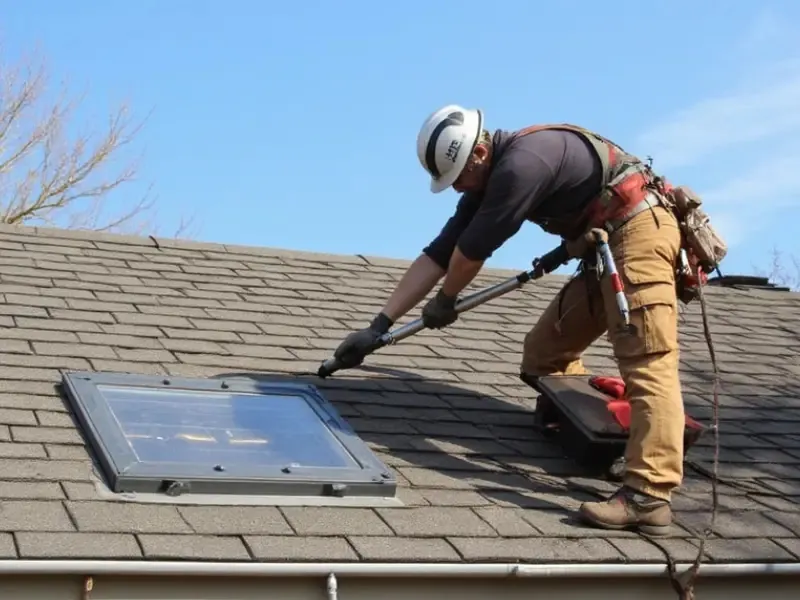
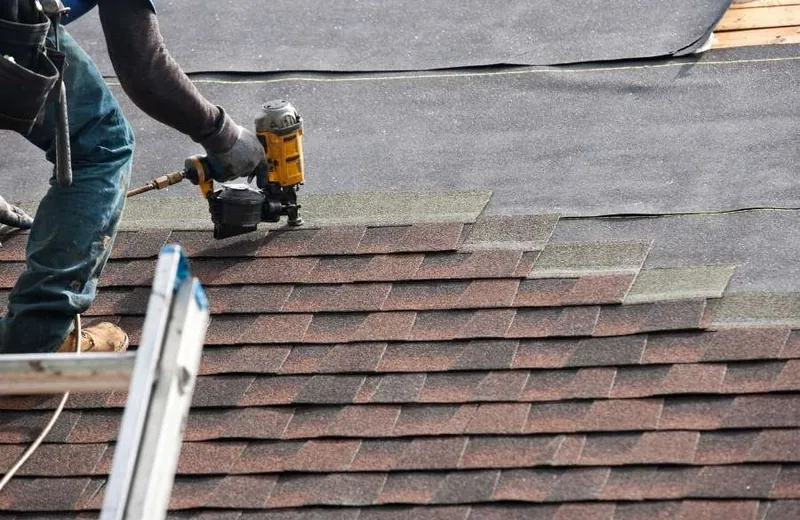
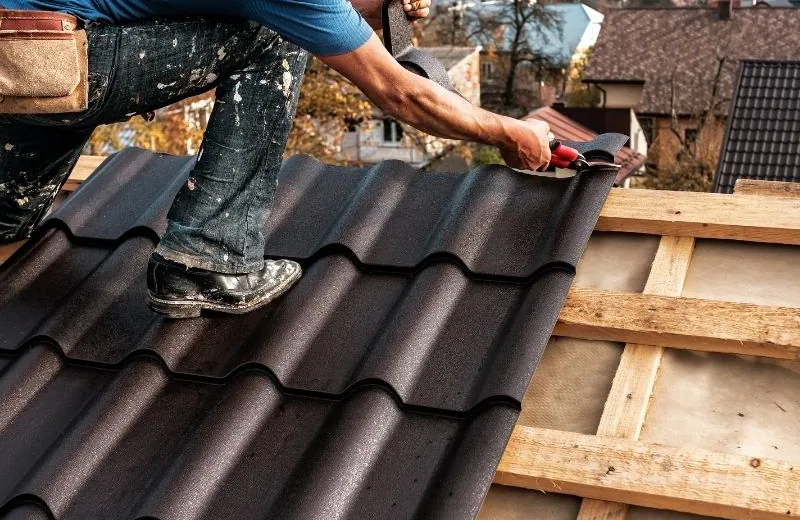
Recent roofing Projects in Woodland Hills, CA
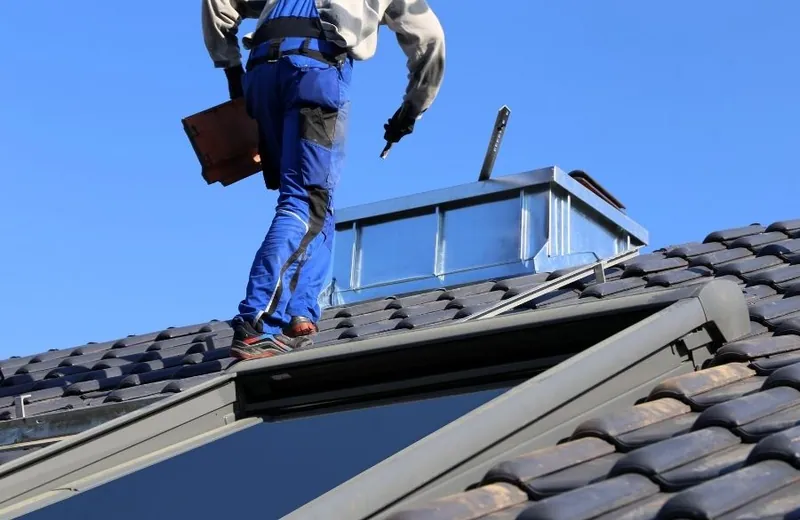
Woodland Hills Roofing FAQs
How much does a roof replacement cost in Woodland Hills?
Most full asphalt shingle replacements on a typical 2,000 sq ft Woodland Hills home cost about $16,000 to $28,000, including tear-off, permit and Class A cool-rated shingles. Tile lift-and-relays usually cost $18,000 to $34,000, and all-new tile costs more. Flat roofs often run $11,000 to $22,000, depending on size and how much drainage work they need. Several things raise the price: removing two layers, replacing rotted decking, steep hillside access, and taking off and reinstalling solar panels. We give you a line-item written estimate after a free inspection, and financing is available.
How long does a re-roof take, including permits?
Most residential replacements take 3 to 10 working days on the roof itself. Simple single-story shingle roofs are on the faster end, and multi-level hillside tile roofs take longer. Before work starts, the LADBS permit can sometimes be issued quickly for a straightforward re-roof, but an HOA architectural review in a community like Mulholland Park can add a few weeks. If you have solar, the panels need to be removed first and reinstalled afterward. We give you a realistic schedule upfront and plan around summer heat and the December-to-March rain.
Do I need a permit to replace my roof in Woodland Hills?
Yes, in almost every case. Woodland Hills is part of the City of Los Angeles, so re-roof permits and inspections go through LADBS. The work may need to meet Title 24 cool roof requirements (most of Woodland Hills is Climate Zone 9), the code limit on roofing layers and, in Very High Fire Hazard Severity Zones, Class A fire-rated roofing under Chapter 7A. Solar removal and reinstallation may need its own electrical permit. We handle the permit and inspection for you, so the work is documented if you sell the home or file an insurance claim.
My tile roof looks fine. Why is it leaking?
On a tile roof, the underlayment underneath does most of the waterproofing, and in Woodland Hills' attic heat it usually wears out in 20 to 30 years. The tiles can look perfect from the street while the felt underneath is brittle, torn or gone. Cracked or slipped tiles from earthquakes or settling soil make it worse. The fix is often a lift-and-relay. We remove the tiles, put in new underlayment and flashing, and reinstall the original tile. You keep the look of your home and spend much less than you would on a new tile roof.
When should I call a roofer instead of waiting?
Call right away if you have an active leak, a limb has punctured the roof, or shingles or tiles came off in a Santa Ana wind. A small leak can quickly turn into rotted decking, mold and ceiling damage. For problems that aren't urgent, like curling shingles, granules in the gutters, ponding on a flat roof or a roof older than 20 years, schedule an inspection in late summer or early fall. That gives you time to make repairs before the first big December storm, when every roofer in the Valley gets booked up.
How can I prevent roof problems in Woodland Hills' climate?
Have the roof inspected and cleaned every year, ideally in the fall. Clear oak and sycamore leaves out of valleys and gutters, because they hold moisture and can catch wildfire embers. Trim back branches that hang over the roof, both to prevent damage from falling limbs and to follow LAFD brush clearance rules. Replace cracked pipe boots and dried-out sealant before they fail, and recoat flat roofs before UV damage reaches the membrane. Good attic ventilation also helps shingles last longer by bringing down summer roof temperatures.
Should I repair or replace my roof?
Repair makes sense when the damage is limited to one area and the rest of the roof still has years left, like a single flashing leak, a few broken tiles or one storm-damaged spot. Replacement makes more sense when shingles are brittle and losing granules everywhere, leaks keep popping up in different places, there are already two layers, or the roof is 20–25 years old or more in this heat. In fire zones, upgrading to a Class A roof may also help with your insurance. We'll show you photos and explain both options honestly.
Will a new roof help with my homeowners insurance in a fire zone?
We can't make any promises about what your insurer will decide. That said, many Woodland Hills owners in Very High Fire Hazard Severity Zones find that a documented Class A roof, ember-resistant vents and a clean, well-maintained roof make conversations with insurers easier. We give you photo documentation, material specifications and the closed LADBS permit, so you have proof of the roof's condition and fire rating. A roof inspection report can also help if your insurer asks for one at renewal.
Serving Woodland Hills, CA & Nearby
Get Your Free Woodland Hills Roof Inspection Before the Next Storm
Heat, wind and a long dry season can wear out a roof without any obvious signs. Find out where your roof stands now, before the first heavy rain shows you the hard way.
- ✓Free on-site inspection with photos of what we find
- ✓Detailed, line-item written quote
- ✓Honest repair-versus-replace recommendation
- ✓LADBS permit, Title 24 and HOA paperwork handled for you
- ✓Class A and cool-rated material options for fire zones
- ✓Bonded and insured crew that protects your home and yard
- ✓Financing available
⚡ Active leak or storm damage? Call us now for emergency tarping and damage documentation.
Bonded • Insured